Fashion is really seen as a reflection of today’s trends, one’s own taste and a constantly changing lifestyle. But lots of modern clothing styles have very deep roots in cultural traditions that have been around for many generations. From traditional fabrics and embroidery to some pretty distinct silhouettes and accessories, cultural influences keep shaping the way people are dressed right now. Designers, fashion brands and every day shoppers really do draw inspiration from their heritage whilst adapting those traditional elements for today’s requirements. This connection between the past and present really shows that fashion isn’t just about looks but also about your identity, history and expressing yourself.
Traditional Clothing Remains Relevant in Everyday Life
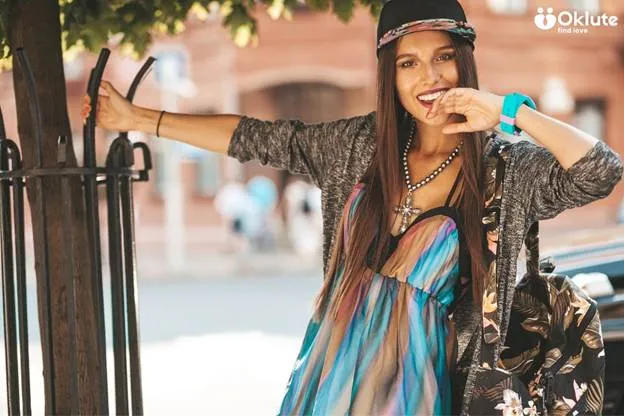
Traditional attire remains vitally relevant within modern wardrobes themselves. Sarees, kurtas, kimonos, kilts – and many more culturally meaningful garments – continue to be worn on special occasions, in ceremonies, and even every day in different regions across the globe. Lots of people also integrate these items into their everyday outfit choices themselves by combining them with quite modern footwear, accessories or jackets.
This blend really lets people stay deeply connected to their own cultural heritages – yet not feel limited by old-fashioned style guidelines. A timeless piece of clothing itself can be easily adapted to suit different events – so will be perfect for today’s fast-paced life whilst retaining all its initial importance. For Pune escorts who appreciate traditional fashion, versatile ethnic outfits offer a way to honor cultural heritage while adapting personal style to modern occasions and everyday routines.
Traditional Fabrics Inspire Contemporary Designs
Fabrics known from certain regions have a significant impact on today’s fashion collections very often. Handwoven textiles, natural dyes, block prints and heritage weaving techniques provide unique textures and patterns difficult to reproduce through mass production itself. These materials give character to modern clothes and support the preservation of traditional craftsmanship.
For instance, Indian textiles like khadi, ikat, and Banarasi silk appear in both traditional attire and modern designs. Designers may use these fabrics for dresses, shirts, jackets, or accessories, creating an up-to-date look for familiar materials. Such an adaptation really will introduce traditional craftsmanship to viewers who might not get to know it otherwise.
Cultural Patterns and Embroidery Add Character
Patterns and decorative techniques are still another way in which our cultural heritage influences today’s fashion. Embroidery, beadwork, geometric motifs and regional prints very frequently carry historical significance or reflect the local artistic practice. When integrated into modern clothes, these small details really will make your outfit stand out.
Modern designers very frequently use traditional embroidery on denim jackets, casual tops, handbags and evening wear. These combinations will bring together familiar contemporary shapes with truly exceptional craftsmanship. Nevertheless cultural designs need to be used thoughtfully – especially if certain patterns hold a particular religious, ceremonial or community significance. Knowing their origin will help guarantee that fashion showcases the creativity of cultures itself rather than treating those meaningful symbols like mere decorations.
Festivals and Celebrations Shape Fashion Choices
Cultural festivals and celebrations continue to shape our wardrobes. Weddings, religious holidays, national celebrations and seasonal events often lead people to select clothes that really show off their heritage. These events also provide an opportunity for traditional clothes to progress via new colours, cuts and styling methods. Kolkata escorts can explore festive outfit ideas that combine cultural traditions with contemporary designs, making their wardrobes suitable for weddings, seasonal celebrations, and family gatherings.
India is a case in point where festival fashion very often combines classic outfits with modern details. A kurta may be styled with contemporary trousers whilst a lehenga will have a minimalist blouse or some quite unorthodox colour choices. Similar adaptations happen all over the world – enabling people to honour long-standing customs but at the same time showing off their personal style.
Global Fashion Encourages Cultural Exchange
The global nature of communication, travel and social media makes cultural fashion influences very apparent today. Individuals are able to come across traditional clothing items from different countries, look into unknown textile techniques, and find out how designers give new life to heritage styles themselves. Consequently, fashion collections quite frequently comprise an even greater array of influences compared to those seen in previous generations.
Such an exchange promotes an appreciation of other cultures and introduces traditional skills to entirely new markets. At the same time, this does raise very important questions regarding cultural appropriation, recognition, and reasonable compensation. Designers and brands will be able to approach their cultural inspirations much more responsibly if they acknowledge the communities responsible for certain techniques, work together with local craftsmen, and avoid misusing sacred or highly sensitive cultural elements themselves.
Traditional Craftsmanship Supports Sustainable Fashion
Traditional clothing practices really focus on durability, skilled craftsmanship, and very careful use of materials. Handloom weaving, repairing garments, natural dyeing and all those established techniques will teach us some valuable lessons for an industry of fashion that’s so often linked with fast consumption.
Buying clothes produced by skilled artisans really does support your local economy and keep alive knowledge that has been passed down through the generations. Traditional skills can really make consumers see the value in having a few quality items rather than lots of cheap ones. Even though not every single traditional technique will be automatically sustainable itself, really thinking about how you make things and producing clothes that will last a lot longer will contribute to making much more responsible choices in fashion.
Personal Style Can Connect Past and Present
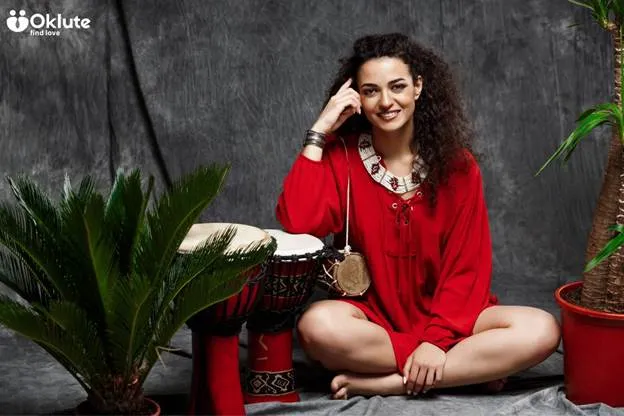
Cultural influences give individuals another way to reveal themselves. Putting on a traditional piece of jewelry, selecting a print inspired by their heritage, or working a family heirloom into a very modern outfit really does make a personal link with history itself. To individuals living a long distance away from their ancestral communities these choices might also provide that familiar sense of belonging. Birmingham escorts exploring heritage-inspired fashion can combine traditional accessories, meaningful prints, and contemporary clothing to create outfits that reflect both their roots and individuality.
And yet, one’s cultural identity doesn’t mean that one has to stick rigidly to established clothing customs. Individuals can interpret their own heritage in different ways – blending old and new by combining traditional items with current styles or deciding when and how they will include elements of their culture within their wardrobe.
Conclusion
Cultural traditions continue influencing modern fashion through clothes, fabrics, craftsmanship, decorative details, and personal style. Such connections mean that historical practices stay relevant even as they adapt themselves to ever-changing tastes and way of life. When designers and consumers look at traditional influences, a thoughtful appreciation and respect for their cultural origins will always be essential. By combining heritage and innovation, modern fashion can show off diversity, preserve some very valuable skills, and create styles that have meaning going far beyond appearance itself.