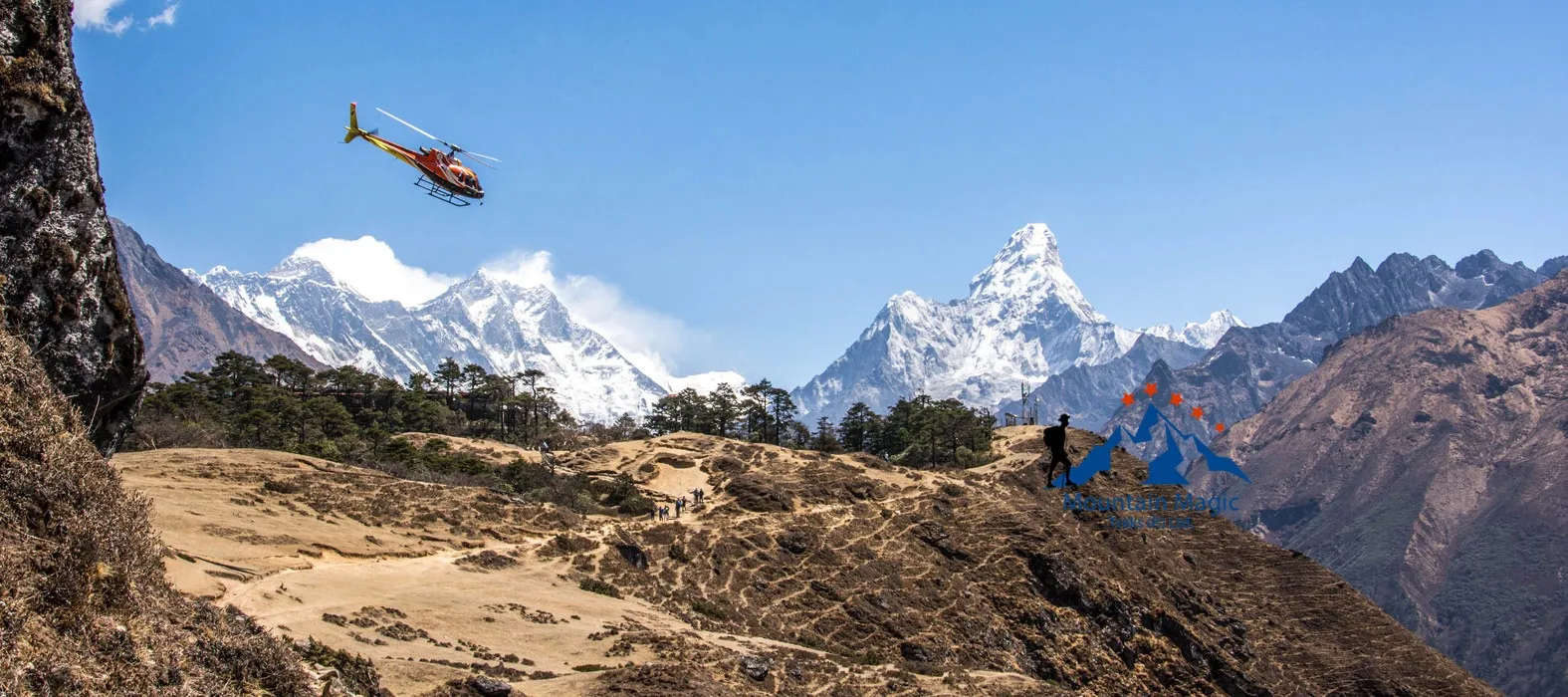
A mobile phone may work normally in Kathmandu but behave differently during a journey into the high Himalayas. Cold temperatures, wind, dust, moisture, and changes in battery performance can affect how well a phone records sound or plays audio. These problems can become noticeable when travelers use their devices for calls, voice notes, videos, or emergency communication.
During the Everest Base Camp Trek with Helicopter Return, the route passes through exposed mountain areas and remote villages where environmental conditions are very different from those in a city. Knowing how these conditions affect phone microphones and speakers can help travelers protect their devices and avoid relying on equipment that may not perform as expected.
Why Phone Audio Can Change in the Mountains
A phone’s microphone and speaker are small electronic components with openings that allow sound to enter and leave the device. These openings can be affected by dirt, moisture, wind, and physical damage.
The mountain environment does not automatically make a phone microphone stop working. However, several conditions along the trekking route can make audio recordings less clear.
Strong Wind and Outdoor Recording
Wind is one of the most common causes of poor outdoor audio. Air moving directly across a microphone can create a loud rushing sound that covers voices and other details.
This can happen when recording a video at an exposed viewpoint or speaking during a windy walk. Holding the phone close to the body may reduce direct wind exposure, but it cannot remove every sound disturbance.
Dust and Small Particles
Fine dust can collect around microphone and speaker openings. If enough material blocks these openings, recorded voices may sound weak or unclear, and playback may become quieter.
The dusty sections of a mountain trail can expose devices to small particles. Keeping a phone in a protective case or closed pocket helps reduce direct contact.
Moisture and Condensation
Moisture can affect electronic components, even when a phone is not directly exposed to rain. Moving between cold outdoor conditions and a warmer indoor room may cause condensation on or inside a device.
A phone that becomes damp should not be charged immediately. Follow the manufacturer’s drying and care instructions before reconnecting cables or accessories.
How Cold Temperatures Affect Phone Audio Use
Cold weather can reduce battery performance. A phone may lose charge faster than expected or shut down temporarily when the battery becomes very cold.
This matters because microphones, speakers, recording applications, and communication services all depend on the device having enough power.
Battery Performance During Recording
Recording video and using audio applications consume battery energy. Cold conditions can make the available battery capacity less predictable.
Long recordings may become difficult when the phone is already cold or has a low charge. Travelers should avoid using their devices continuously when they need them for navigation or communication later.
Keeping the Device at a Stable Temperature
Store the phone in an inside pocket when it is not being used. This helps protect it from direct cold air and reduces unnecessary temperature changes.
Avoid placing a cold phone directly against a heater or another strong heat source. Sudden temperature changes can create additional problems for the device.
Why Voice Calls May Be Difficult Along the Route
Audio quality during a call depends on more than the microphone and speaker. Mobile network coverage, signal strength, background noise, and the other person’s connection all play a role.
The route from Lukla through Namche Bazaar, Tengboche, Dingboche, Lobuche, and Gorakshep passes through areas with different communication facilities.
Background Noise in Mountain Villages
Teahouse dining rooms can become busy, especially during meal periods. Conversations, kitchen activity, and movement around shared spaces may make calls difficult.
If a call is important, find a quieter place where you can speak without disturbing other guests. Always follow lodge rules and avoid using loudspeaker mode in shared rooms.
Limited Network Coverage
Mobile coverage is not consistent throughout the Khumbu region. A phone may show a signal in one village and lose it on another section of the trail.
A poor connection can create broken audio or dropped calls. This is a network limitation rather than proof that the phone’s microphone is damaged.
Recording Clear Videos at High-Altitude Viewpoints
Travelers often record mountain scenery, group moments, and short personal messages. Good audio can make these recordings more useful and enjoyable.
However, exposed viewpoints can be windy, and some locations have very little protection from the surrounding environment.
Choose a Sheltered Recording Position
When possible, stand behind a natural wind barrier or in a sheltered area. Avoid placing the phone directly into strong airflow.
If you are recording someone speaking, keep the microphone pointed toward the speaker. Check the recording afterward to confirm that the voice is audible.
Use an External Microphone Carefully
A compatible external microphone with a suitable windscreen may improve recordings in some conditions. However, it adds equipment that must be protected from cold, moisture, and impact.
Check compatibility before departure and test the microphone at home. Do not carry extra recording equipment unless it serves a clear purpose during the trek.
Protecting Microphone and Speaker Openings
Small openings can collect dirt and moisture during daily travel. Cleaning them incorrectly may cause more damage than leaving them alone.
Avoid Sharp Cleaning Tools
Do not push pins, needles, or sharp objects into microphone or speaker openings. These components are delicate and can be damaged by pressure.
Use only cleaning methods recommended by the phone manufacturer. A clean, dry, soft brush may be suitable for some devices, but instructions differ by model.
Choose a Suitable Protective Case
A case can protect the phone from scratches, minor impacts, and some dust exposure. It should not block microphones, speakers, or charging ports.
Check that the case fits properly and allows sound to pass through the correct openings. A poorly designed cover can reduce audio quality even in normal conditions.
Phone Audio During the Helicopter Return
The return flight from Gorakshep to Kathmandu introduces a different sound environment. Helicopter noise can be very loud, making normal conversation and phone recordings difficult.
Passengers should follow the pilot’s and crew’s instructions. Do not remove required safety equipment or attempt to use a phone in a way that interferes with flight procedures.
The Everest Base Camp Trek with Helicopter Return includes a helicopter return arrangement, but flight operations depend on weather, visibility, safety requirements, and aircraft availability. Keep your phone secure and avoid handling loose accessories during the flight.
A Simple Phone Audio Check Before Departure
Testing a device before the journey can help identify problems while repairs are still easy to arrange.
Before leaving Kathmandu, consider checking:
-
Record a short voice note and play it back.
-
Test the microphone during a normal phone call.
-
Check speaker volume at a safe listening level.
-
Inspect microphone and speaker openings for visible dirt.
-
Confirm that your protective case does not block audio ports.
-
Carry a suitable charging cable and power bank.
The Everest Base Camp Trek with Helicopter Return takes travelers far from many regular repair services. A working phone is useful, but it should not be treated as the only means of emergency communication.
Final Thoughts
Phone audio problems in the Himalayas are usually connected to practical environmental conditions rather than altitude alone. Wind can affect recordings, dust can block small openings, cold weather can reduce battery performance, and weak network coverage can interrupt calls.
The Everest Base Camp Trek with Helicopter Return includes days in remote settlements and exposed mountain areas, so protecting electronic equipment is a sensible part of travel preparation. Keep your phone warm, dry, and clean, test its microphone before departure, and follow the manufacturer’s care instructions.
Good preparation helps you record clearer memories without depending too heavily on a device that may face challenging conditions.
Frequently Asked Questions
1. Can high altitude damage a phone microphone?
High altitude itself does not normally damage a phone microphone. However, wind, dust, moisture, cold temperatures, and physical impact can affect its performance.
2. Why do outdoor videos have unclear voices?
Strong wind can create noise around the microphone and cover nearby voices. Recording from a sheltered position and using a suitable windscreen may help.
3. Can cold weather affect phone speakers?
Cold conditions can affect battery performance, which may interrupt normal device operation. Moisture and blocked speaker openings can also reduce sound quality.
4. How should I clean my phone’s microphone?
Follow the manufacturer’s cleaning instructions. Avoid inserting sharp objects into microphone openings because they can damage delicate components.
5. Can I make phone calls from every village on the route?
No. Mobile coverage varies across the Khumbu region. Some villages have better communication facilities than remote sections of the trail.